Private Cab Tour of Mandawa and Jhunjhunu
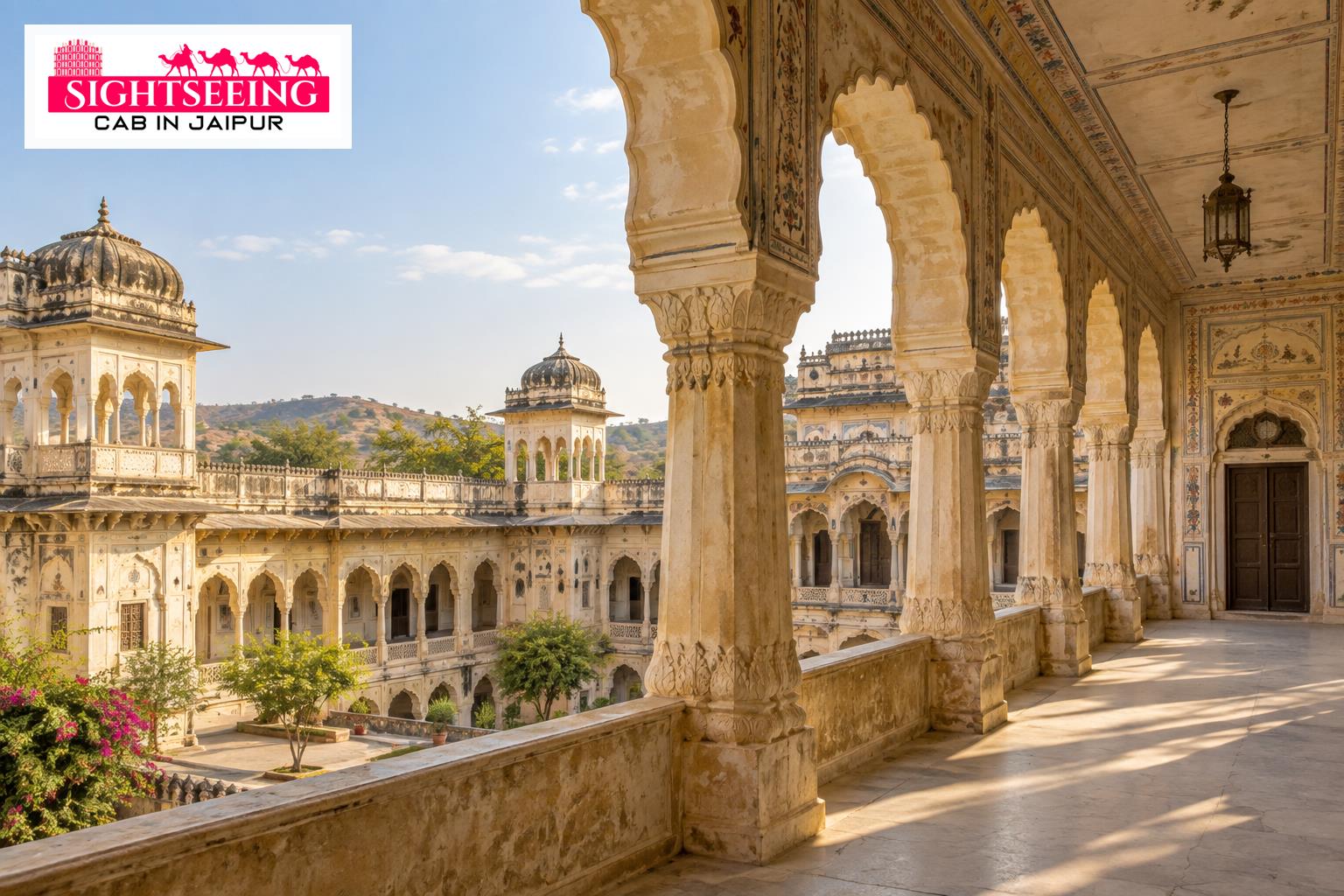
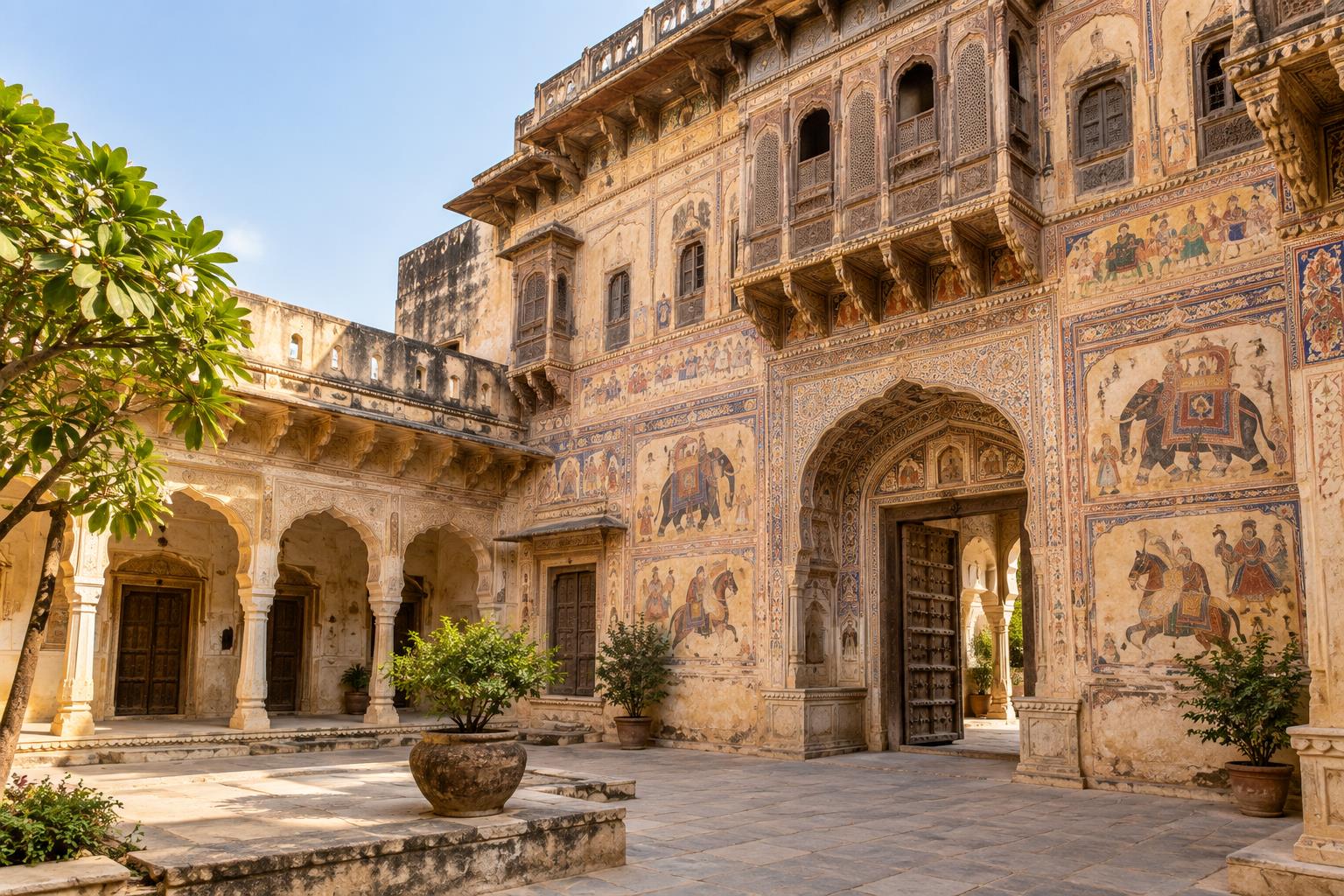
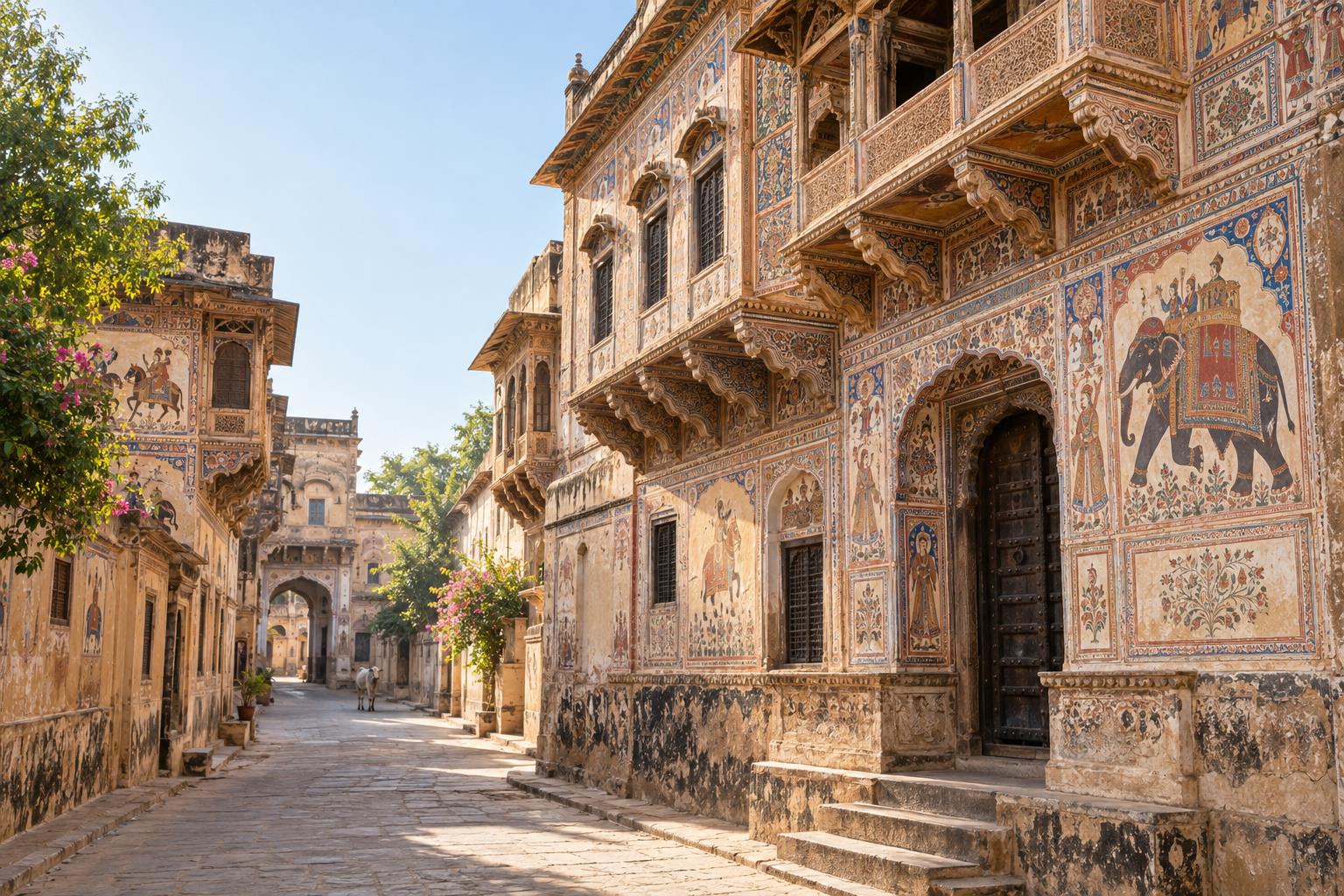
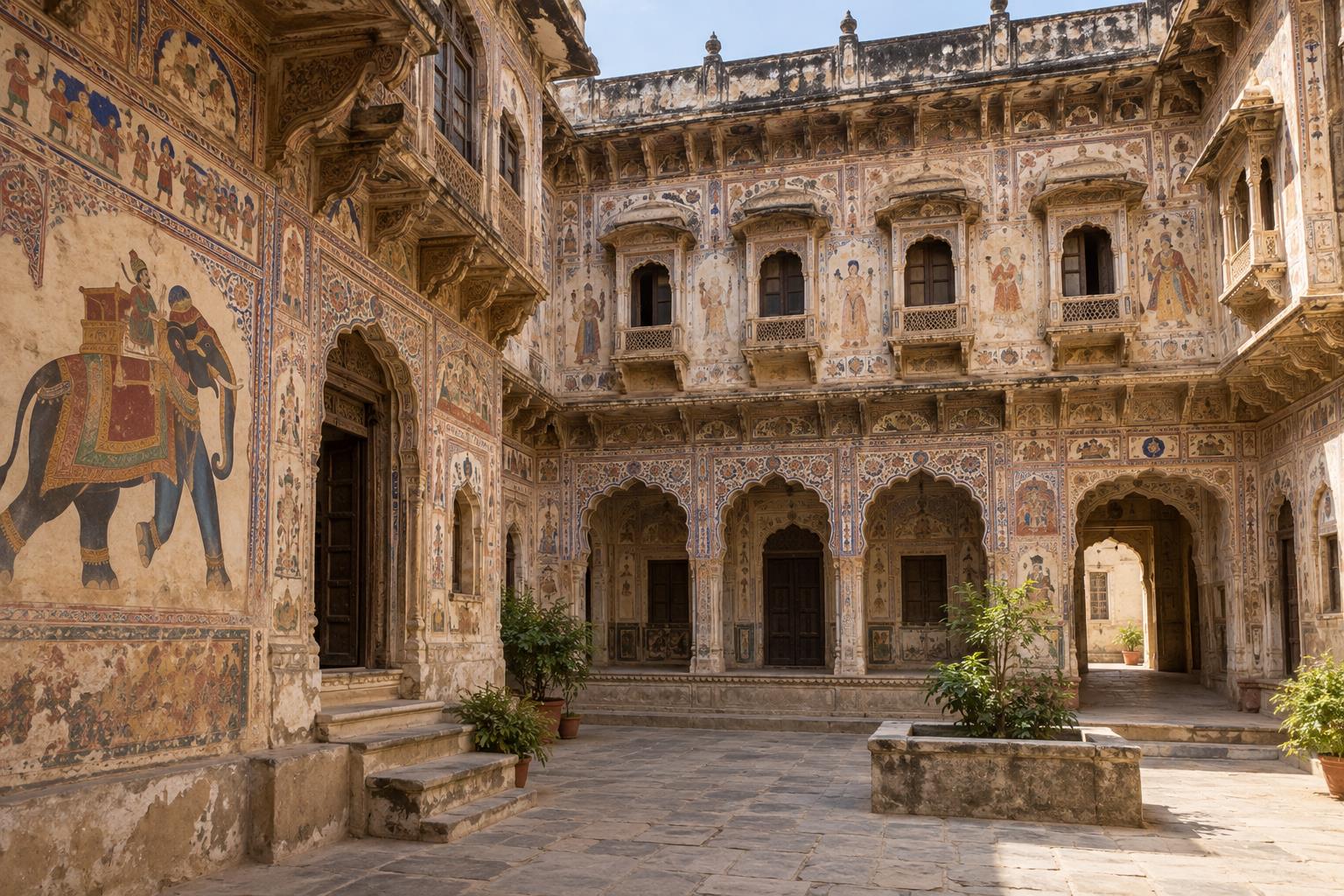
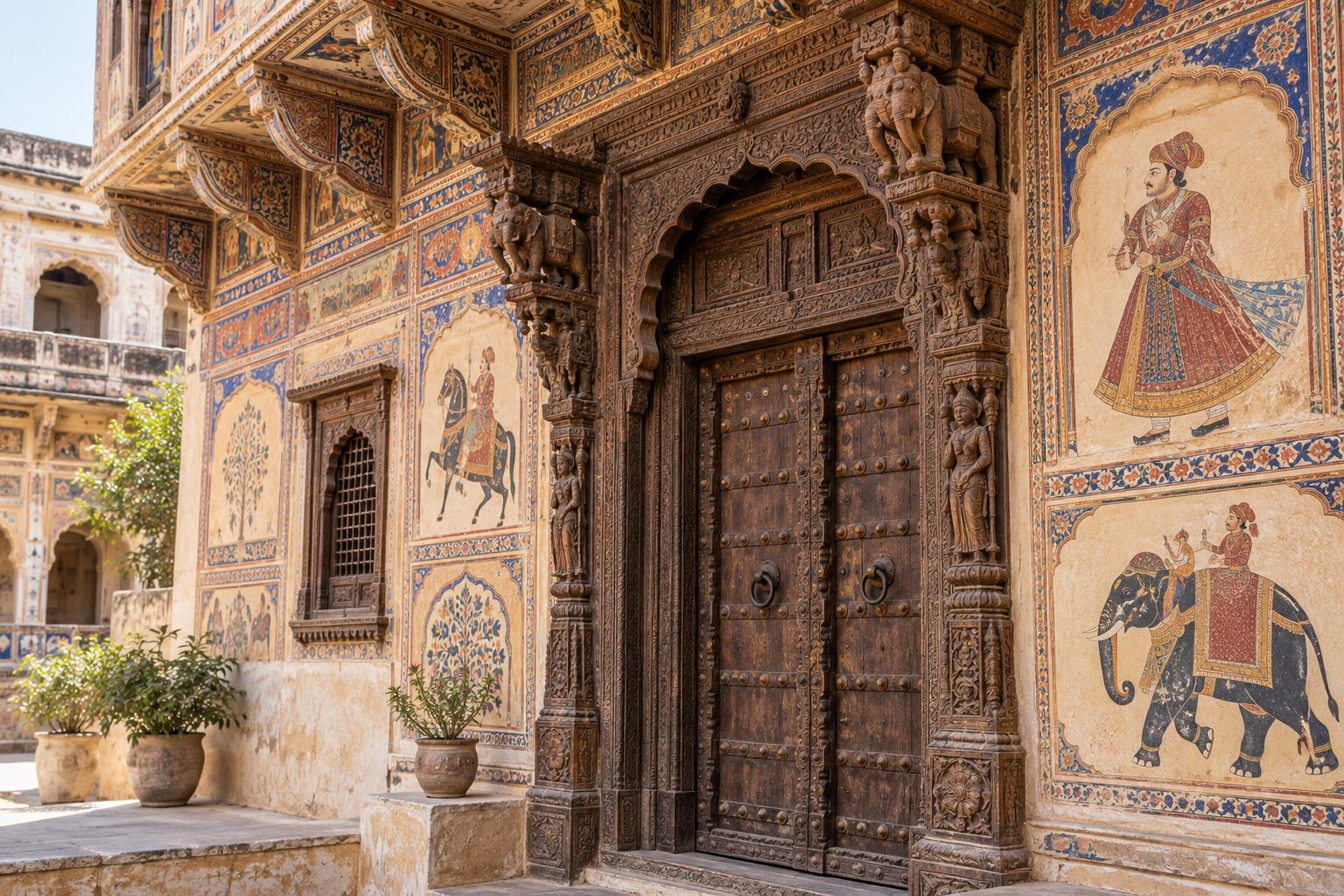
Mandawa and Jhunjhunu introduce travellers to Rajasthan's Shekhawati region, celebrated for merchant havelis, painted façades, carved gateways, forts and temples. A private cab connects the two towns while a walking route brings you close to the frescoes and architectural details that cannot be understood from a vehicle. The tour can begin from Jaipur, Mandawa or Jhunjhunu, but the available sightseeing time changes substantially with the pickup point.
A same-day Jaipur return is possible with a very early departure and a selective list of attractions; it should be treated as a long road-and-walking day. Staying overnight in Mandawa or Jhunjhunu provides a slower heritage walk, softer morning light for photography and more flexibility around site access. The driver handles transport and agreed parking points. A licensed guide or local heritage specialist is separate unless included in the written quotation.
Rajasthan Tourism describes Shekhawati as the region of magnificent havelis spanning Jhunjhunu, Sikar and Churu districts. Many properties remain privately managed, used as hotels or partially closed, so entrance and photography permission can differ from one haveli to another. Respect signs, never enter a private courtyard without consent and avoid touching ageing wall paintings.
Painted Havelis, Forts and Jhunjhunu Heritage
Mandawa Fort and Town View
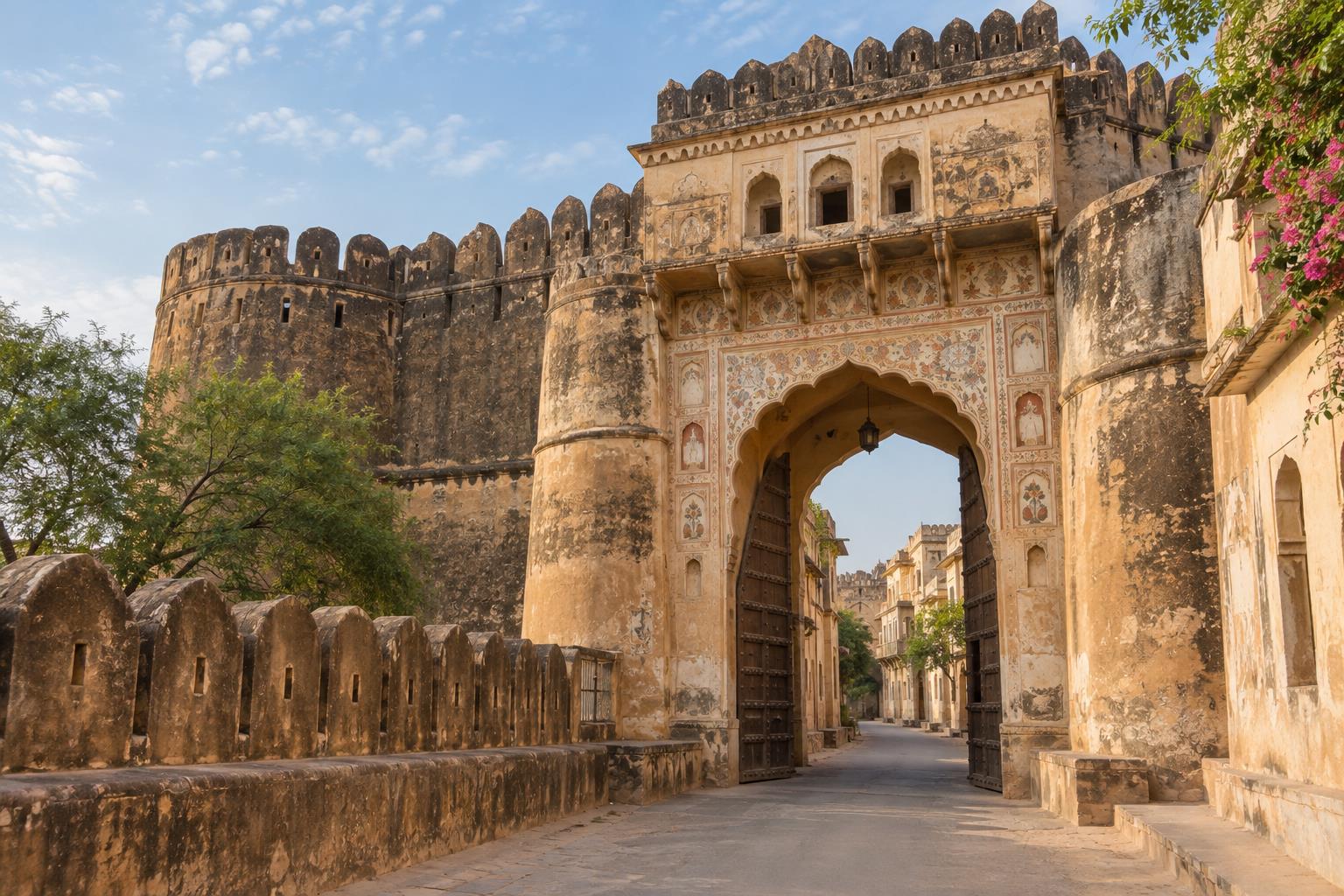
Mandawa developed around its fort and historic trading settlement. Today the fort operates as a heritage property, so public access, hotel areas and ticket arrangements should be confirmed before arrival. Even when interior access is limited, the gateway and surrounding streets help explain the town's compact layout. Allow roughly 45 to 75 minutes according to access and whether you are taking a guided visit.
Mandawa Haveli Walk
A curated walk can include exterior views or permitted interiors associated with names such as Hanuman Prasad Goenka, Murmuria, Ladia, Chokhani, Newatia and Jhunjhunwala. Do not promise every haveli in a single tour: ownership, renovation and opening conditions change. Look for mythological scenes, floral patterns and later motifs such as trains or automobiles. Set aside 90 minutes to two hours and wear shoes suitable for uneven lanes.
Khetri Mahal, Jhunjhunu
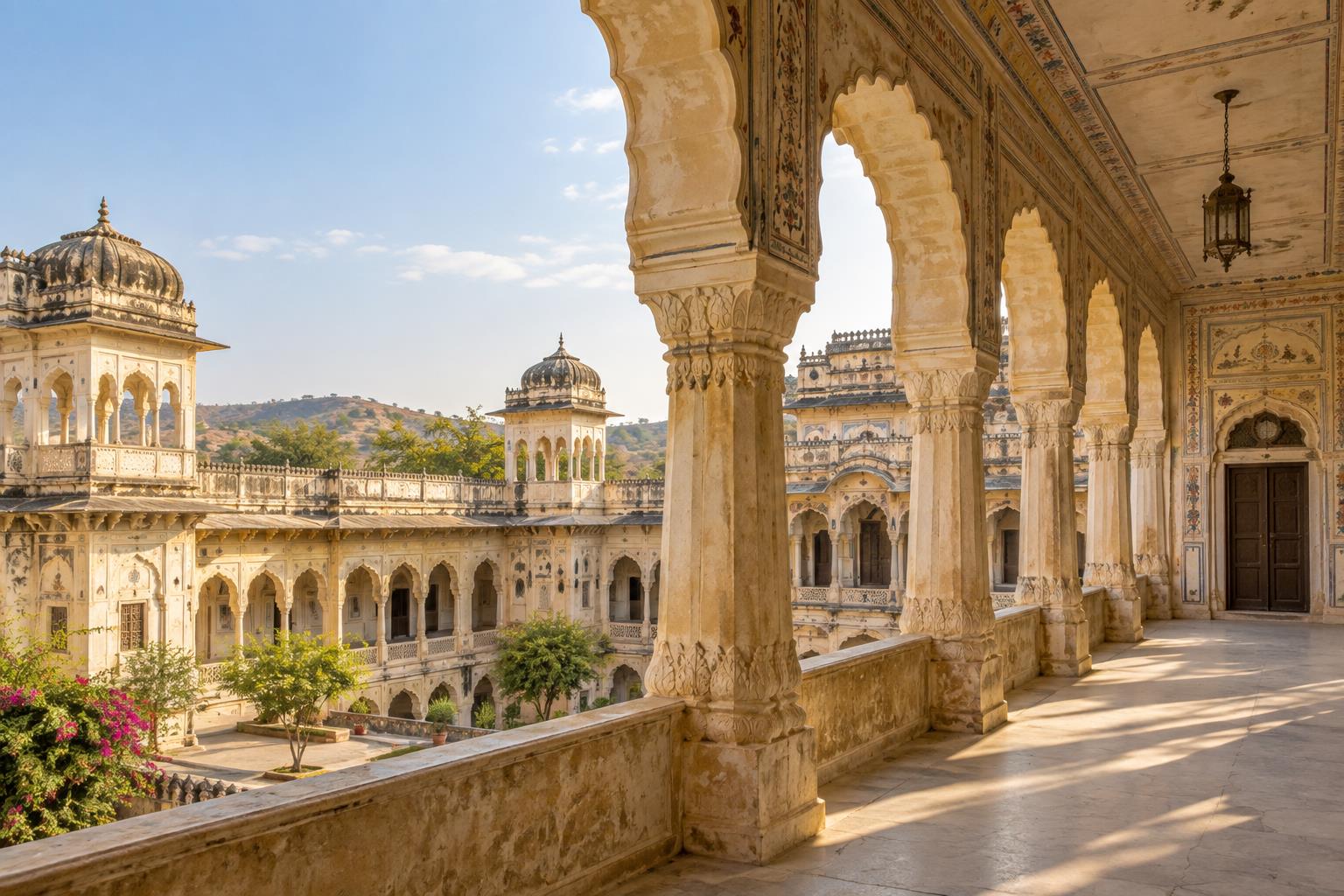
Khetri Mahal was built in 1770 and is popularly called Jhunjhunu's Wind Palace. Its linked arches and columned spaces were designed for air circulation, creating a distinctive open architectural composition. Access can involve steps and unguarded or uneven surfaces. Confirm the current entrance route and visiting conditions locally; allow around 45 to 60 minutes rather than rushing through for photographs.
Rani Sati Temple
This active temple complex is known for devotional importance and decorative work. Visitors should dress modestly, remove footwear where instructed and keep phones or cameras away in restricted areas. Worship timings, ceremonies and crowd control can affect a sightseeing visit. Treat it as a place of faith rather than only an architectural stop and allow additional time on festival or busy days.
Jhunjhunu Havelis and Old Town
Selected heritage buildings and market lanes reveal the same merchant-art tradition seen across Shekhawati, with differences in scale and conservation. Choose a small number of accessible sites instead of attempting every named haveli. A local guide can help identify fresco themes and coordinate permission. Ask before photographing residents, religious rituals or private thresholds.
Optional Shekhawati Extensions
Nawalgarh, Dundlod and Fatehpur can extend the heritage route, but they should not be squeezed into an already full Mandawa–Jhunjhunu day. Add one destination only with realistic driving and admission time, or convert the journey into a multi-day circuit. This reduces rushed stops and supports a more meaningful heritage walk.
Detailed Mandawa–Jhunjhunu One-Day Itinerary
6:30–7:00 AM: Jaipur Pickup
Leave early from the confirmed hotel, airport or railway-station pickup point. The exact road time depends on route, traffic and breaks. Carry water and have breakfast before departure or plan a hygienic stop. Travellers starting in Mandawa can begin sightseeing later and enjoy substantially more walking time.
10:30 AM: Mandawa Fort Area and Heritage Walk
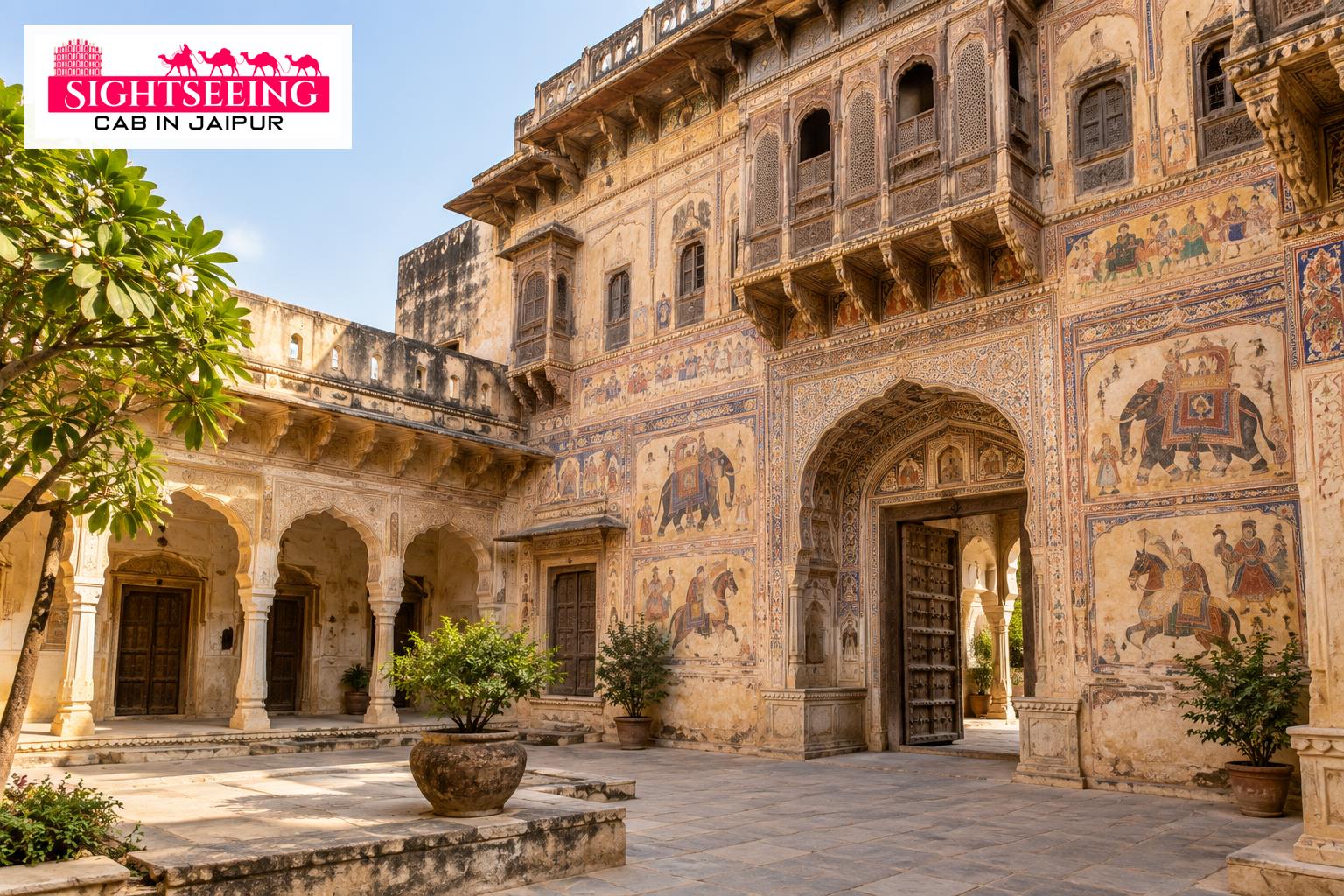
Meet the guide if booked, confirm which havelis are open and begin a compact walking circuit. View frescoes from permitted areas, then visit the fort when current access allows. Use the cab only for transfers between practical parking points because several lanes are best explored on foot.
1:00 PM: Lunch and Drive to Jhunjhunu
Take a meal break before continuing. Meals are normally separate from the cab package. Mandawa and Jhunjhunu are often described as roughly 30 kilometres apart, but actual time varies by chosen route, traffic and road work; use live navigation on the travel day.
2:30 PM: Khetri Mahal and Jhunjhunu Highlights
Explore Khetri Mahal subject to current access, then choose between an old-town heritage stop and the Rani Sati Temple. Keeping the afternoon selective is important for a safe return. A temple visit may take longer during ceremonies or festivals.
5:00 PM: Return or Local Drop
Begin the Jaipur return with adequate buffer, or finish at your Jhunjhunu accommodation. The driver may adjust the sequence for closures and parking. Do not schedule a tightly timed train or flight immediately after a long intercity sightseeing day.