Private Cab for Jaisalmer City and Desert Sightseeing
A Jaisalmer sightseeing cab gives travellers a practical way to connect the Golden City’s living fort, carved havelis, lakeside architecture and desert outskirts in one organised journey. The itinerary can begin from your hotel, railway station, airport or another agreed city location, with timings adjusted for weather, monument queues and the sunset at Sam Sand Dunes.
8–10 hoursCity plus desert day
42–45 kmCity to Sam area
Private cabFlexible pickup and route
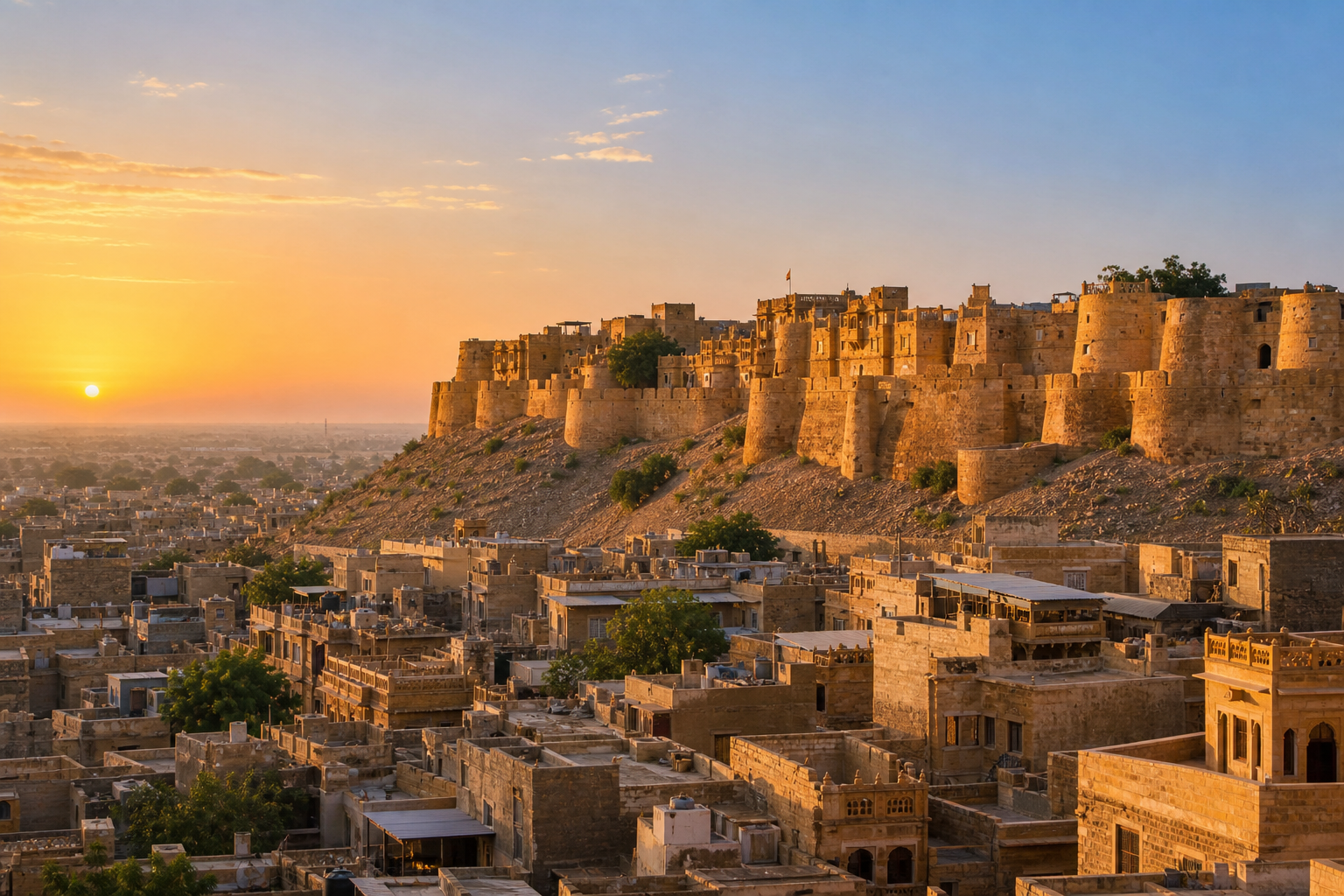
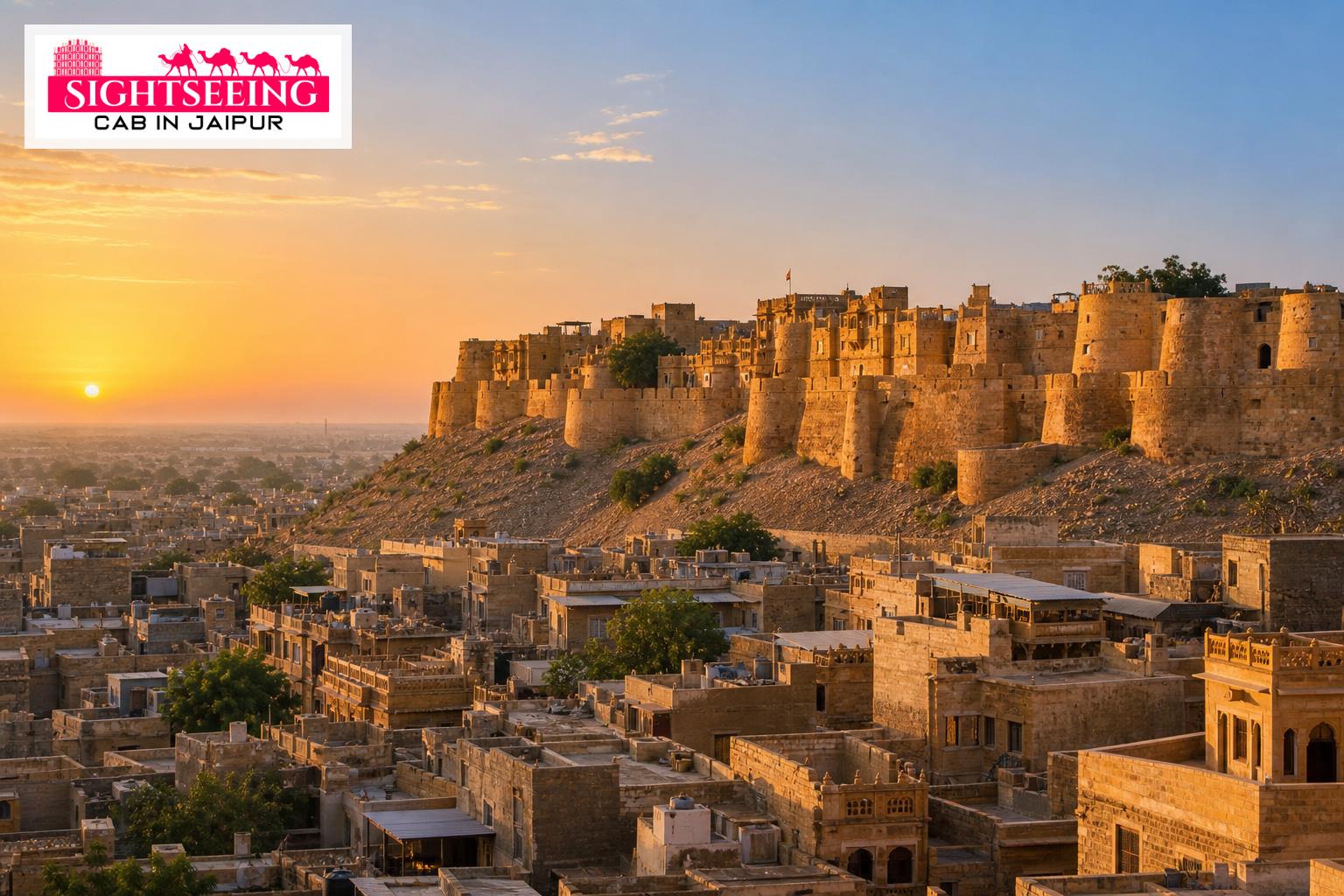
Rajasthan Tourism calls Jaisalmer the Golden City because yellow sandstone gives its streets and monuments a warm golden appearance. The city’s defining landmark is Jaisalmer Fort, also known as Sonar Qila. Unlike many historic forts, it remains a living urban quarter with homes, temples, shops and guest houses inside its walls. This makes responsible movement, waste reduction and respect for residents particularly important.
One full day can cover the main city attractions and a desert sunset when the route starts early. Two days are better for travellers who want detailed museum visits, a slower walking pace, shopping and more time in the desert. Entry tickets, guide services, boating, camel rides and cultural programmes vary by operator and should be confirmed separately rather than assumed in the cab fare.
Jaisalmer Fort, Havelis and City Attractions
Jaisalmer Fort was founded by Maharawal Jaisal in 1156 and rises above the city on a hill. Its gateways lead into lanes lined with golden-stone houses and viewpoints. Within the fort are palace areas, Jain temples and historic neighbourhoods. Rajasthan Tourism dates the Jain temples broadly between the 12th and 15th centuries and notes their detailed yellow-sandstone carving. Visitors should wear suitable footwear, expect uneven lanes and dress respectfully at religious sites.
Patwon Ki Haveli
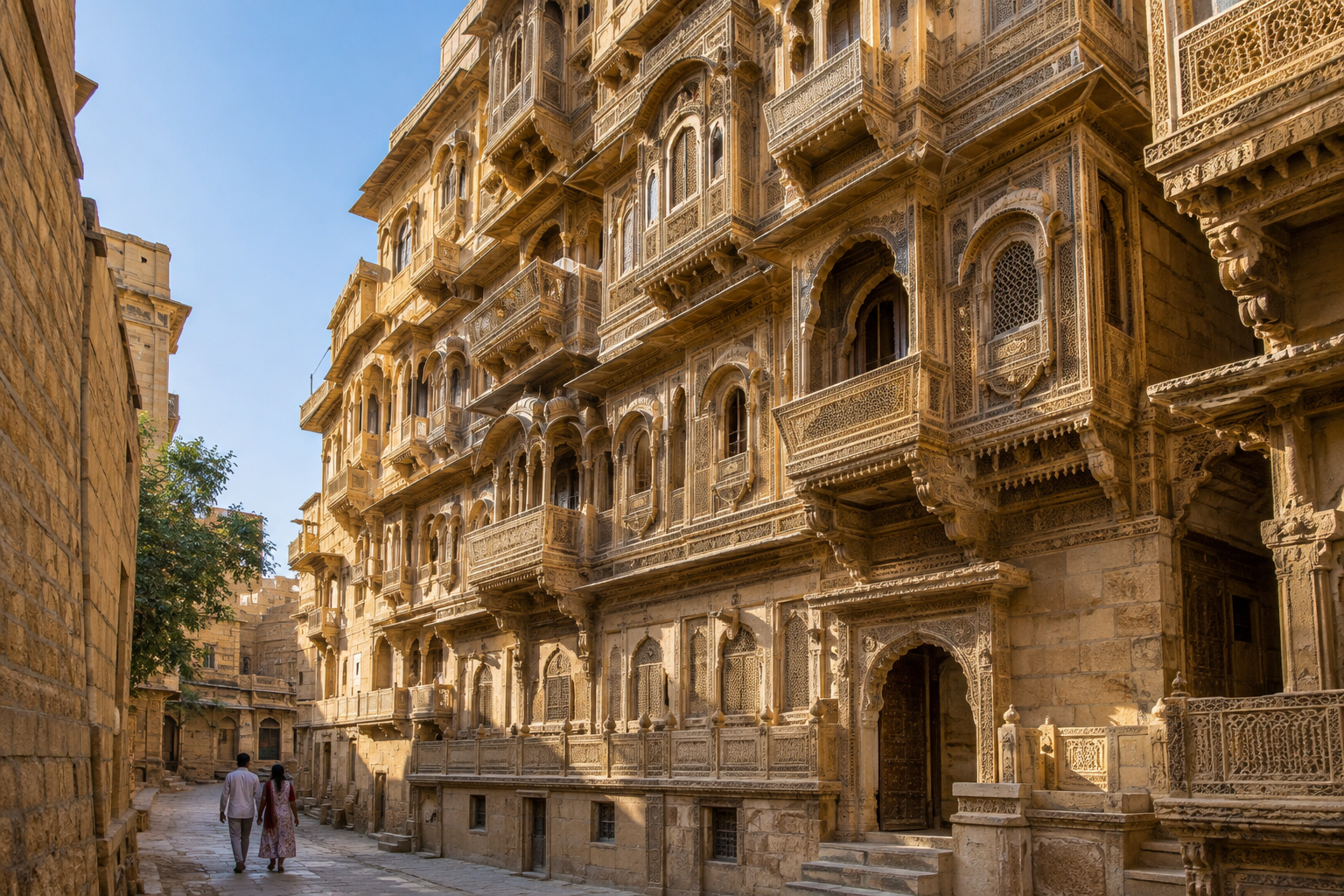
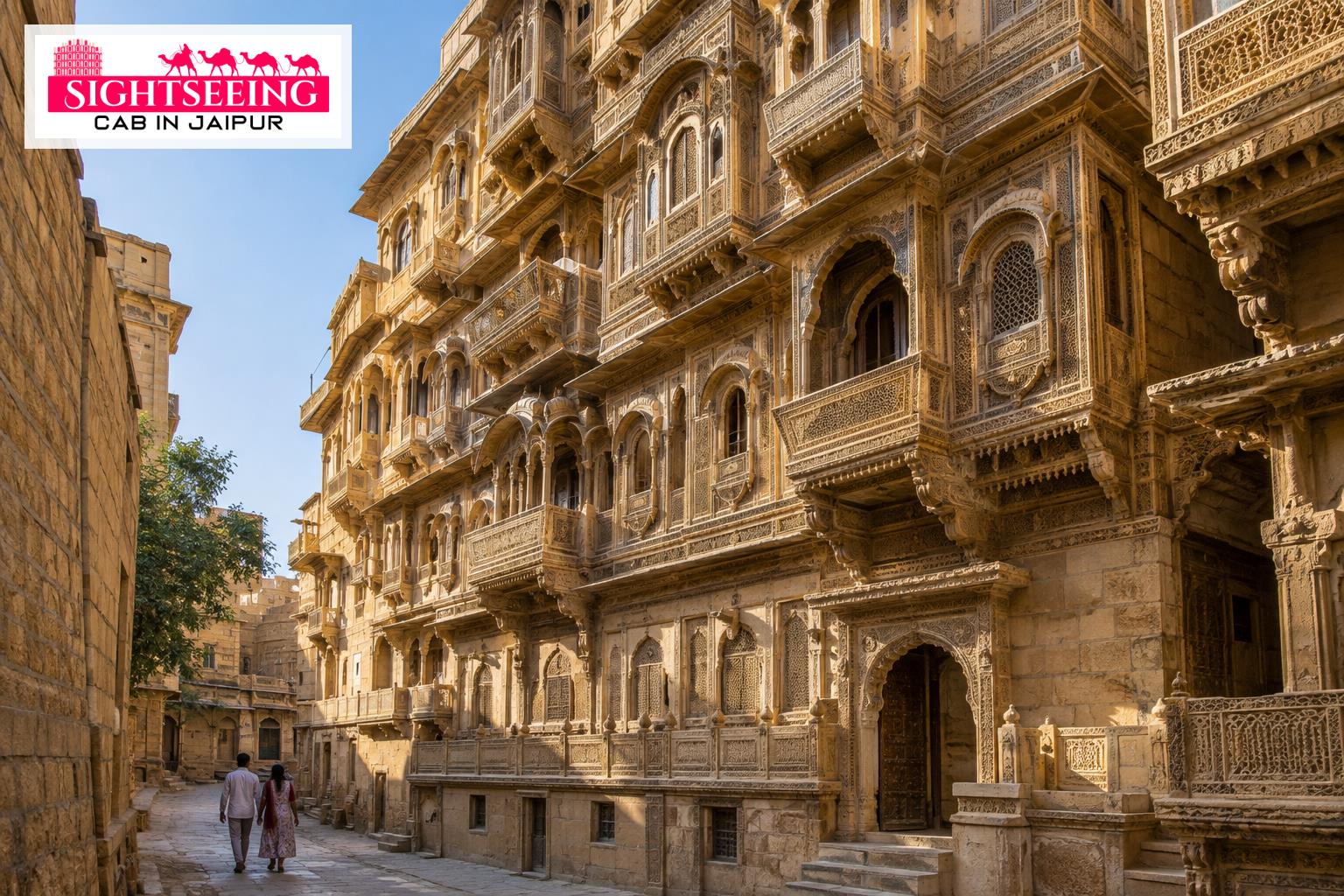
A celebrated cluster of merchant residences known for layered façades, jharokhas, stone latticework and surviving interior decoration. Allow time for narrow approach lanes and separate ticketed sections.
Nathmal Ki Haveli
Known for ornate sandstone carving and an unusual façade associated with work by two artisan brothers. Some areas remain privately used, so follow access signs.
Salim Singh Ki Haveli
A distinctive historic mansion recognised for projecting balconies and a dramatic upper profile. Current visitor access and fee should be confirmed locally.
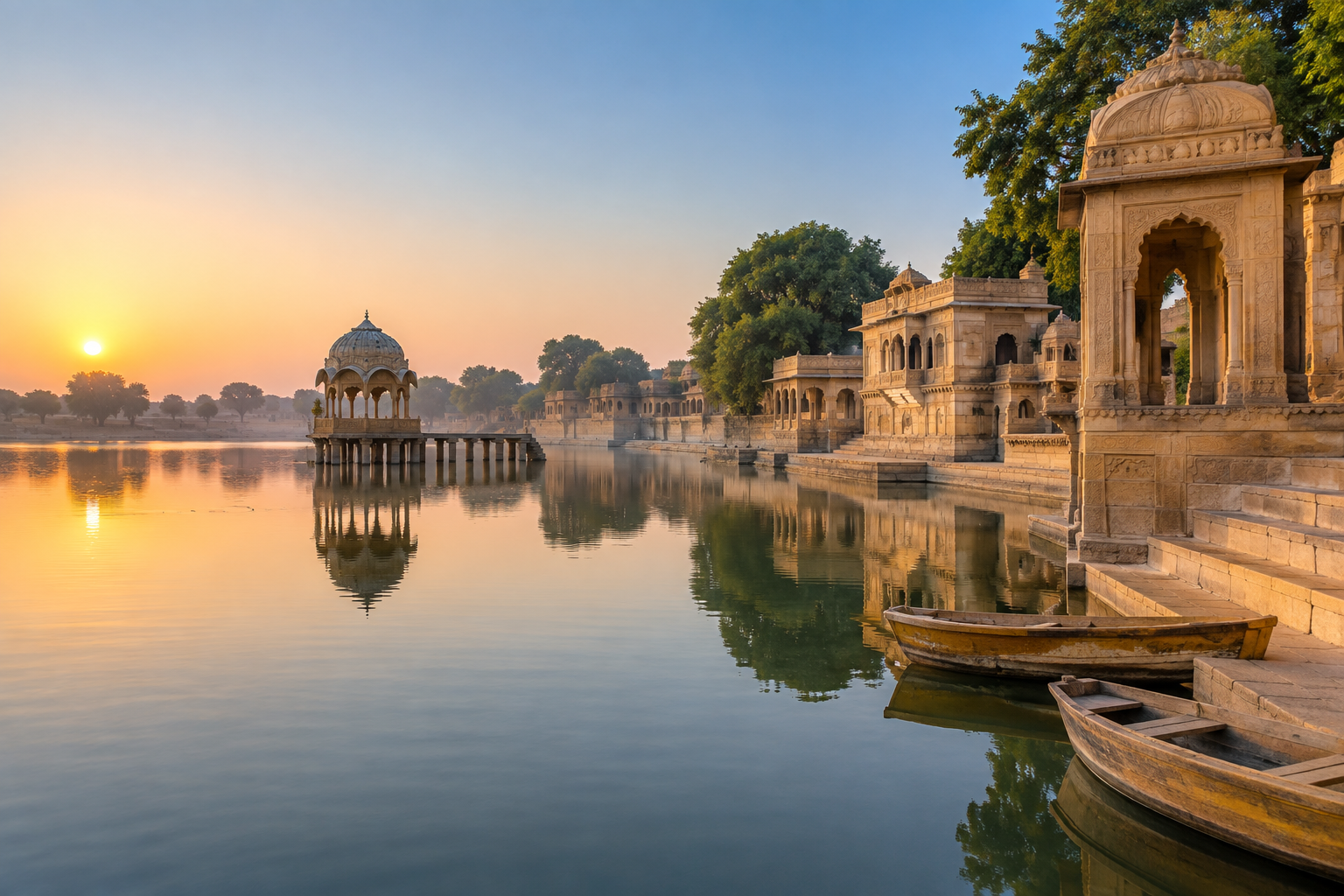
Gadisar Lake
A historic water reservoir framed by gateways, shrines and ghats. Boating may be available separately according to operating conditions and weather.
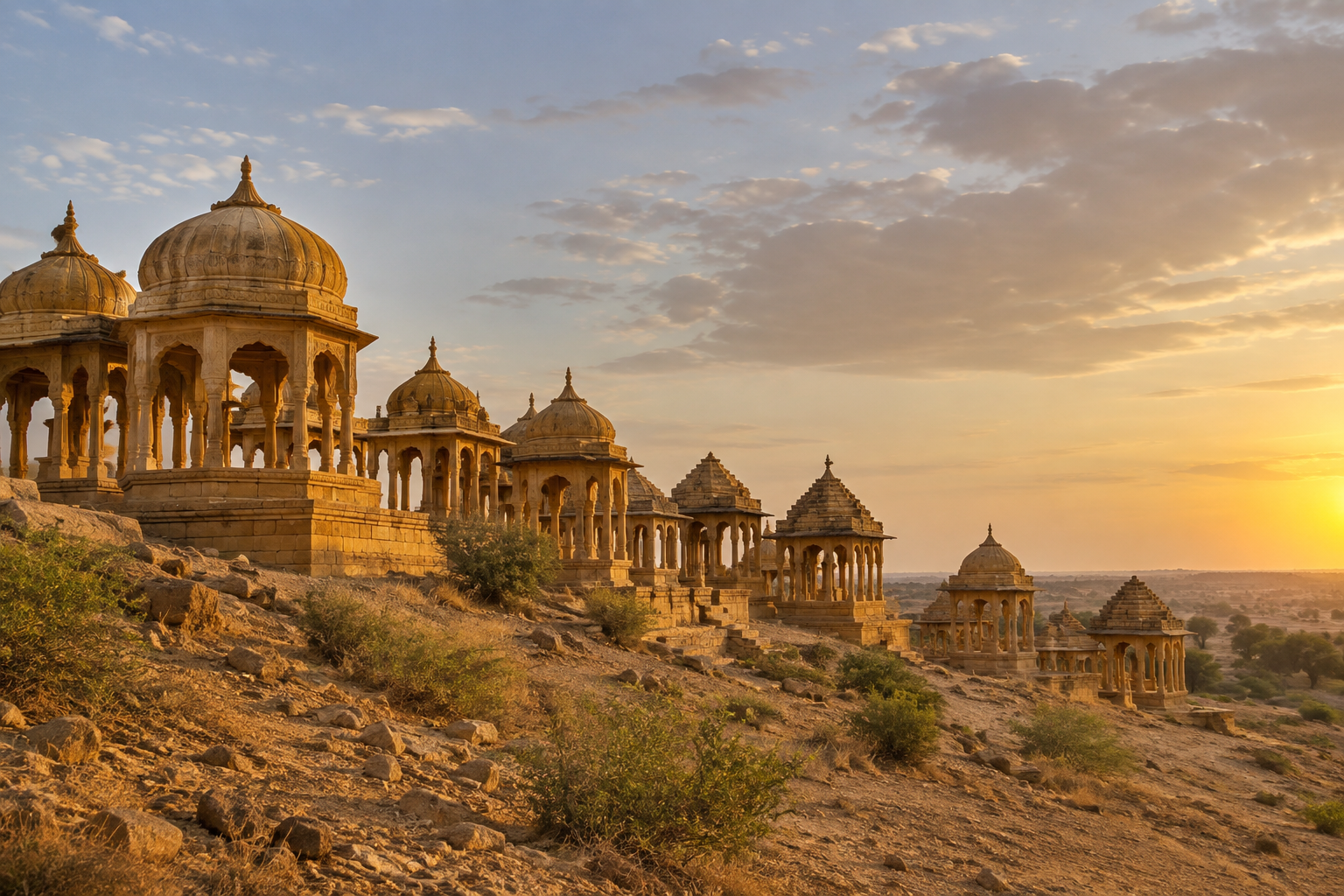
Bada Bagh, Vyas Chhatri, Mandir Palace and local museums can be included when time permits. Bada Bagh’s cenotaph landscape is particularly atmospheric in angled light, while Vyas Chhatri is often considered for sunset or city views. Each attraction has its own access arrangements. Since ticket prices and opening hours can change, confirm the current fee, last-entry time and photography rules on the visit date.
Important: Do not promise every monument plus a desert excursion in a short half-day. Fort lanes require walking, desert sunset has a fixed natural deadline, and current opening hours or entry charges can change. Finalise the priority list before departure.
Detailed One-Day Jaisalmer Sightseeing Itinerary
8:00 AM: Hotel Pickup and Gadisar Lake
Meet the driver at your hotel or agreed pickup point and begin at Gadisar Lake while the air is cooler. Walk along the permitted ghats, view Tilon Ki Pol and consider an optional boat ride if operating. Early light can be good for photography, while winter mornings may require a light jacket.
9:00 AM: Jaisalmer Fort and Jain Temples
Continue to the fort entrance and explore on foot. Visit selected palace or museum areas and the Jain temple complex according to current opening times. A licensed local guide can explain the fort’s history and living-community character. Cab access inside the narrow fort lanes is restricted, so agree on the meeting point with the driver.
12:00 PM: Patwon Ki Haveli and Old City
Explore Patwon Ki Haveli and, according to time, Nathmal Ki Haveli or Salim Singh Ki Haveli. The old-city lanes are best covered on foot. Allow extra time if entering museums rather than only viewing façades. Take a lunch break and avoid heavy outdoor walking during the hottest part of warmer days.
2:30 PM: Bada Bagh or Kuldhara
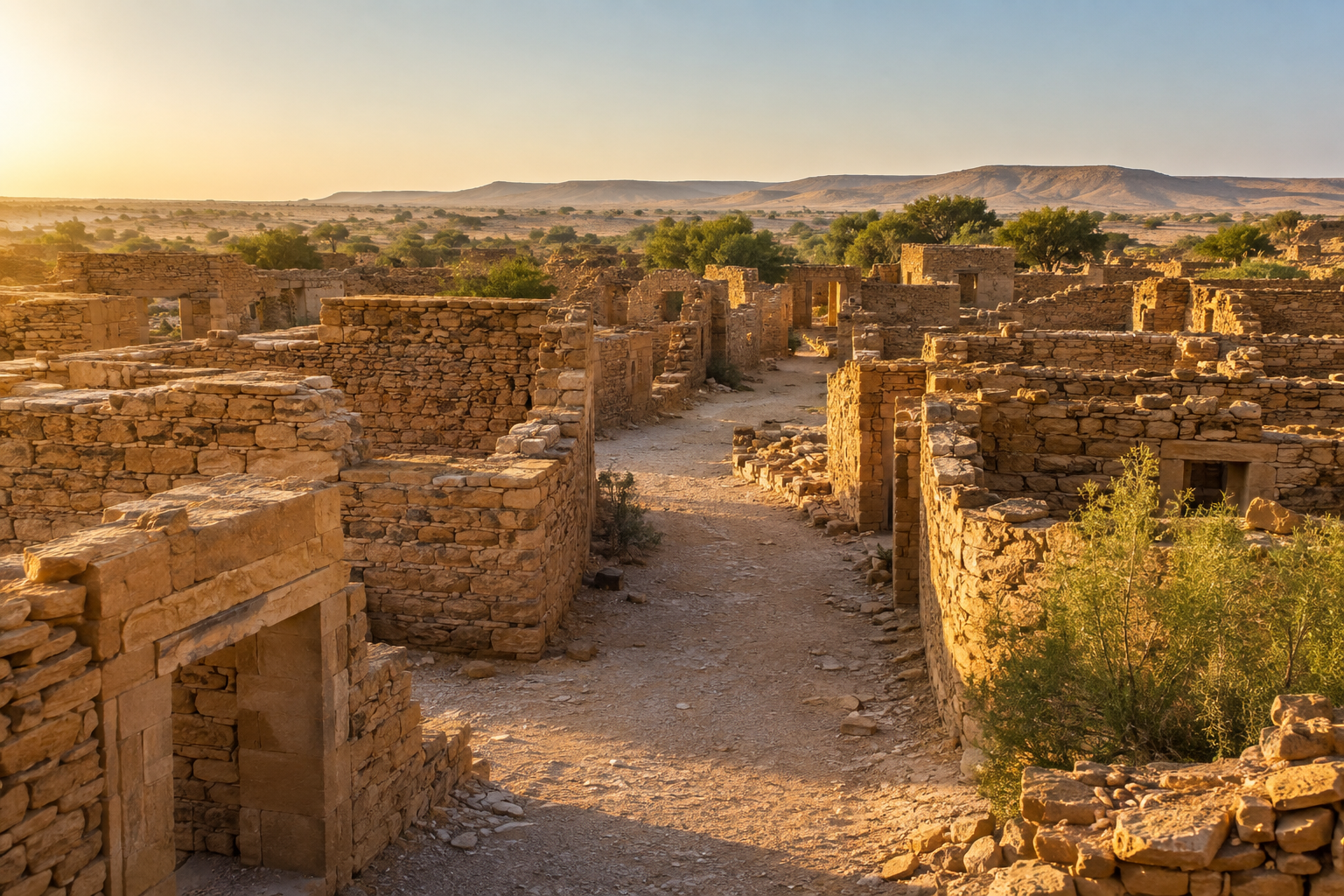
Select a heritage stop before the desert. Kuldhara is an abandoned historic settlement on the road toward Sam, while Bada Bagh is known for royal cenotaphs. Attempting both may reduce desert time, so choose according to interest, current opening conditions and sunset schedule.
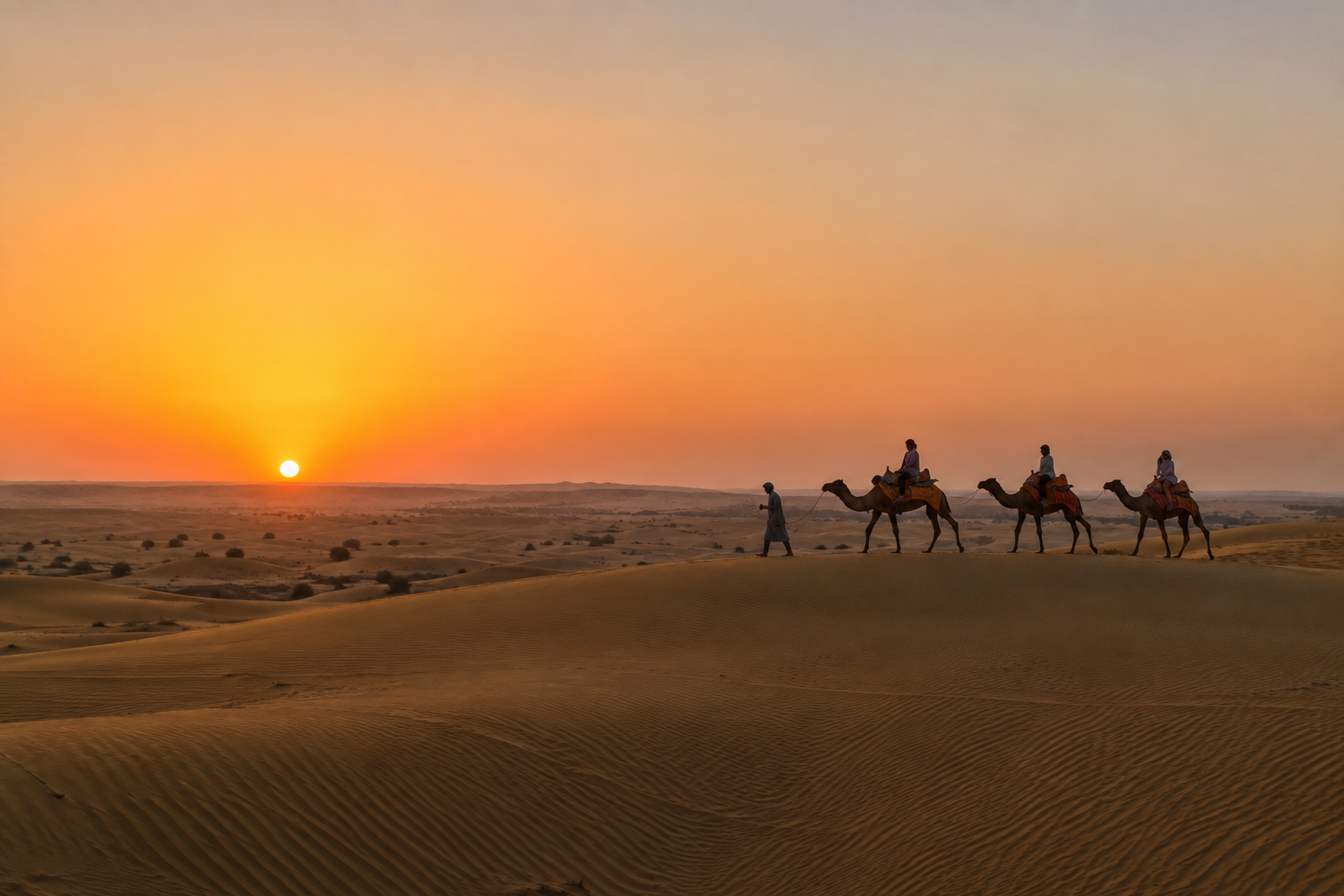
4:30 PM: Sam Sand Dunes and Sunset
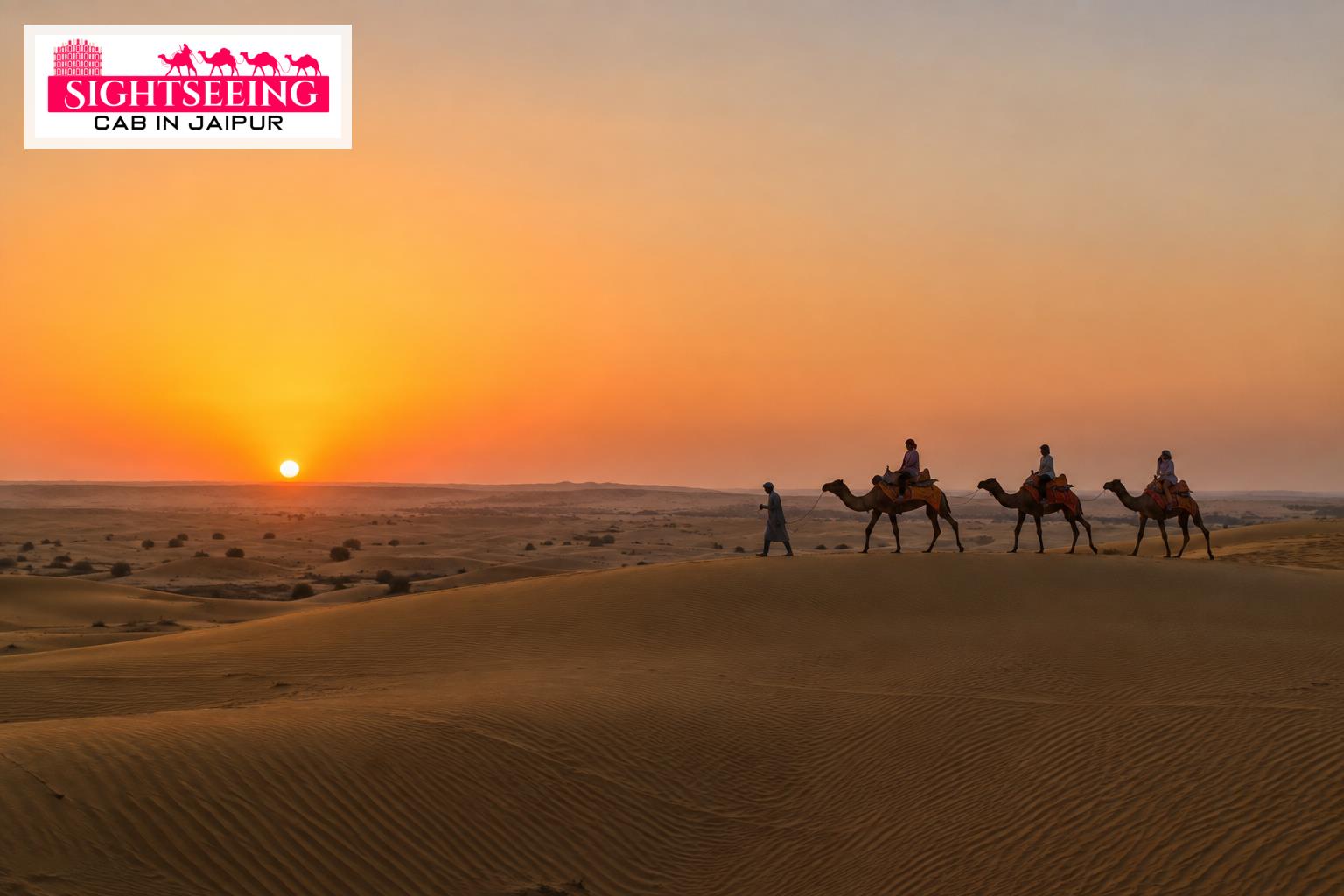
Drive roughly 42–45 kilometres toward the Sam area. Camel rides, jeep activities, cultural programmes and dinner are optional services, not automatic cab inclusions. Select operators that treat animals responsibly, use safety equipment and explain the full price before starting. Return to the Jaisalmer hotel after sunset or continue to a pre-booked camp.
Cab Fare, Tickets and Jaisalmer Travel Planning
The sightseeing fare depends on vehicle type, pickup point, package hours and kilometres, desert extension, airport transfer and late return. A sedan works for a small party with light luggage. An Innova-type SUV offers more room for a family or senior travellers, while Tempo Travellers suit groups. Share luggage quantity even for sightseeing if pickup and drop involve a station or airport.
| Cost component | What to confirm before booking |
|---|---|
| Local cab package | Vehicle category, included hours/kilometres, fuel and driver allowance. |
| Sam/Kuldhara extension | Whether desert-route kilometres, parking and late return are included. |
| Monument tickets | Current Indian/foreign visitor price, camera rule and museum entry for each site. |
| Guide | Language, authorised service, meeting location and fee. |
| Desert activities | Camel or jeep ride duration, insurance/safety, cultural programme, meal and total cost. |
| Extra time | Hourly or kilometre charge after the agreed package limit. |
Typical inclusions: private air-conditioned cab, hotel/station/airport pickup and drop, fuel and driver allowance for the agreed route. Common exclusions: monument tickets, guides, boating, camel/jeep rides, camp, meals, parking where not quoted and personal expenses. The final written confirmation should list everything clearly.
Best Season, Responsible Desert Travel and FAQs
October to March normally offers the most comfortable sightseeing weather and popular desert evenings. December and January nights can be cold. Summer requires early starts, hydration, covered clothing and a midday rest. February may coincide with the Desert Festival depending on the official calendar, bringing events as well as higher demand.
Living-fort care
Use refillable water bottles, avoid litter, respect homes and religious spaces, and do not photograph residents without permission.
Desert safety
Carry water and a warm layer in winter, protect cameras from sand, use seat belts and avoid unsafe dune stunts.
Senior travellers
Plan shorter walking blocks, confirm steps at havelis and use the cab between accessible city points.
Families
Keep children close in fort lanes, choose reputable activity operators and avoid an overloaded sunset schedule.
Explore related journeys:
Rajasthan Tour PackagesRajasthan 9 Nights 10 DaysJodhpur SightseeingJaipur Rajasthan ToursCar Rental in Jaipur
Frequently Asked Questions
How many days are needed for Jaisalmer sightseeing?
One full day can cover the main city attractions and desert sunset with an early start. Two days provide a more relaxed fort, museum and desert experience.
How far are Sam Sand Dunes from the city?
The commonly visited Sam area is roughly 42–45 kilometres from Jaisalmer, depending on the exact camp or sunset point.
Which places can the cab cover?
Gadisar Lake, Jaisalmer Fort, Jain Temples, the main havelis, Bada Bagh, Kuldhara and Sam Sand Dunes can be arranged according to time.
Are tickets and desert activities included?
Only when specifically written in the quotation. Monument entry, guide, boating, camel ride, jeep activity, meal and camp charges are normally separate.
What is the best season to visit?
October to March is generally comfortable. Summer tours should focus on early sightseeing, hydration and adequate rest.